Grading Content & Exposing Bias

Topic · 2 reports

US debt

B Avg grade
Political Lean 25% Right-leaning
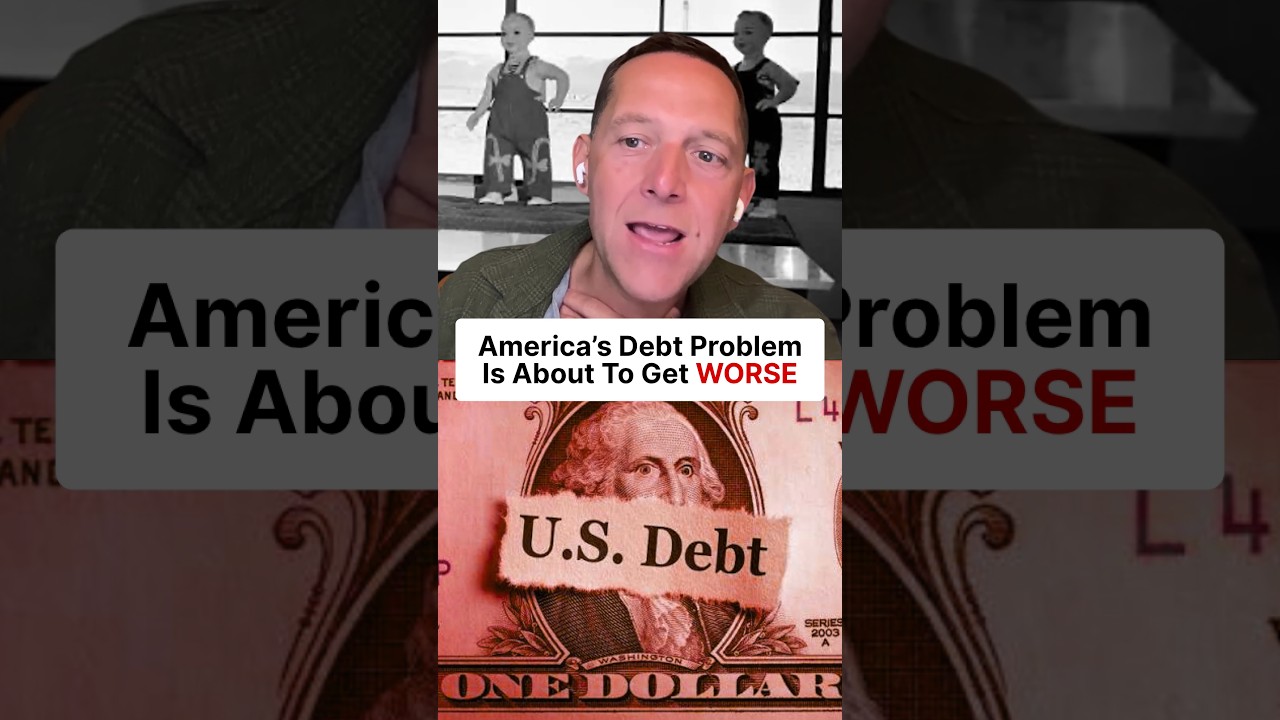
Video: Friedberg details $10T Treasury refinancing, $2T deficit and 5.2% 30-year yields on $40T debt
B+ Grade
Political Lean 25% Right-leaning

Friedberg details $10T Treasury refinancing, $2T deficit and 5.2% 30-year yields on $40T debt

Aug 31, 2026

David Friedberg outlines the federal government's immediate need to refinance roughly $10 trillion in maturing debt over the next year, the resulting pressure on borrowing costs, and the link to a projected $2 trillion annual deficit. He argues persistent inflation stems from excess spending and that aggressive cuts risk recession given government's economic role. The 30-year Treasury yield at 5.2% reflects market concerns over long-term solvency, with the average interest cost on $40 trillion debt at 3.4%. Every 1% rate increase adds about 1.25% of GDP in annual interest expense. The segment presents these dynamics as a fundamental fiscal problem beyond Fed control.

Source: All-In Podcast
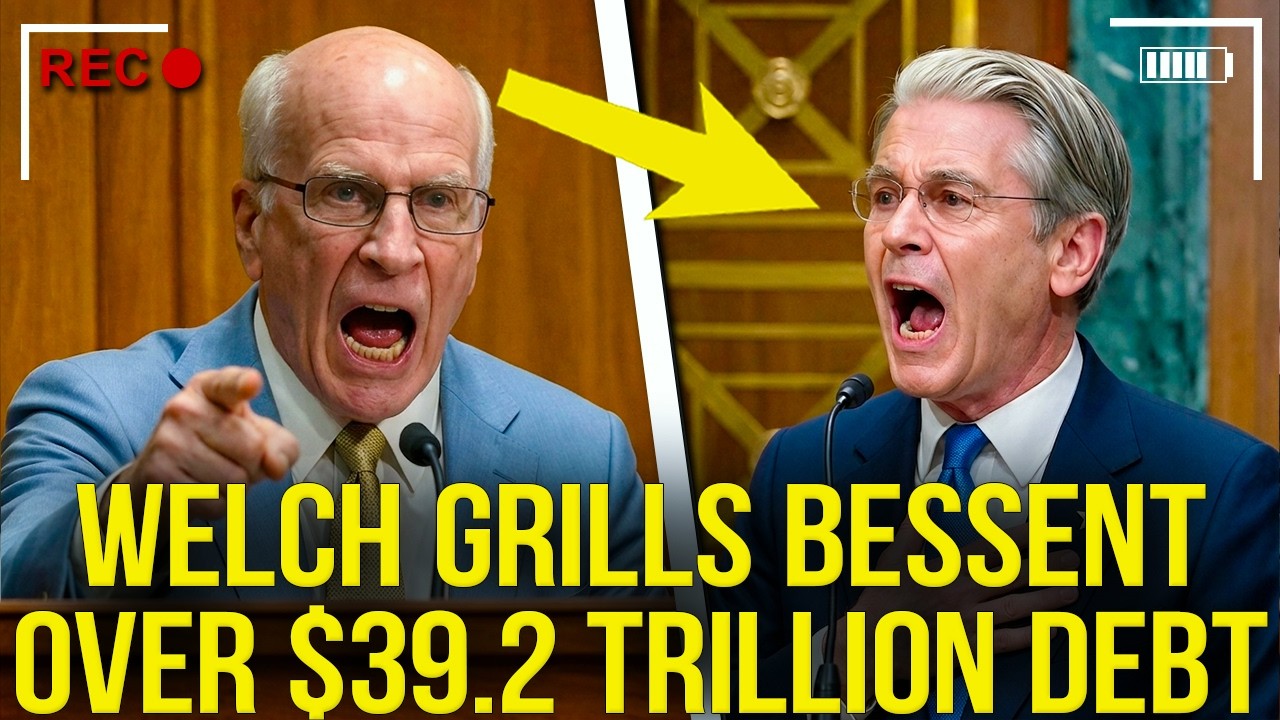
Video: Welch Questions Bessent on $39.2T Debt, IRS Cuts, and Corporate Tax Avoidance
B- Grade
Political Lean 25% Right-leaning

Welch Questions Bessent on $39.2T Debt, IRS Cuts, and Corporate Tax Avoidance

Aug 26, 2026

The Capitol Clash segment reviews a Senate hearing where Sen. Peter Welch confronted Treasury Secretary Scott Bessent with charts on rising national debt, interest costs exceeding military spending, CBO projections, and the tax gap. Welch focused on IRS staffing cuts reducing enforcement capacity and cited specific multinational tax avoidance via low-tax jurisdictions like Jersey, Cyprus, and Malta. Bessent acknowledged figures, disputed Peterson Foundation credibility and growth projections, argued more IRS agents do not guarantee better collections via a whistleblower account, and called offshore issues complicated without committing to immediate action. Sourcing mixed named entities (CBO, Peterson Foundation, TIGTA whistleblower) with anonymous or generalized references to corporate filings; graphics showed debt trajectory, interest as revenue share (18.5% to 25.8%), and tax gap growth. Throughline frames debt and uncollected revenue as existential threats affecting Social Security, infrastructure, and taxpayers, contrasting enforcement needs against spending cuts or rate hikes.

Source: Capitol Clash