Staging — not production. cladfacts.com is live.

Grading Content & Exposing Bias

Outlet profile · Independent channel

Armed Scholar

Clad has been grading Armed Scholar segments since Jun 2026 — 2 reports so far, published as notable segments air. Its most-covered subjects on Clad: Courts & Law, emergency aid exception, Fourth Amendment. Every report checks the segment's load-bearing claims against primary sources, then scores the coverage for factual accuracy, political lean, and how the public received it — so you can see how Armed Scholar's reporting holds up story by story, not just take its word for it.

Armed Scholar's average grade, average political lean & social sentiment across all 2 reports unlock with a free CladFacts account — no card required.

Latest reports

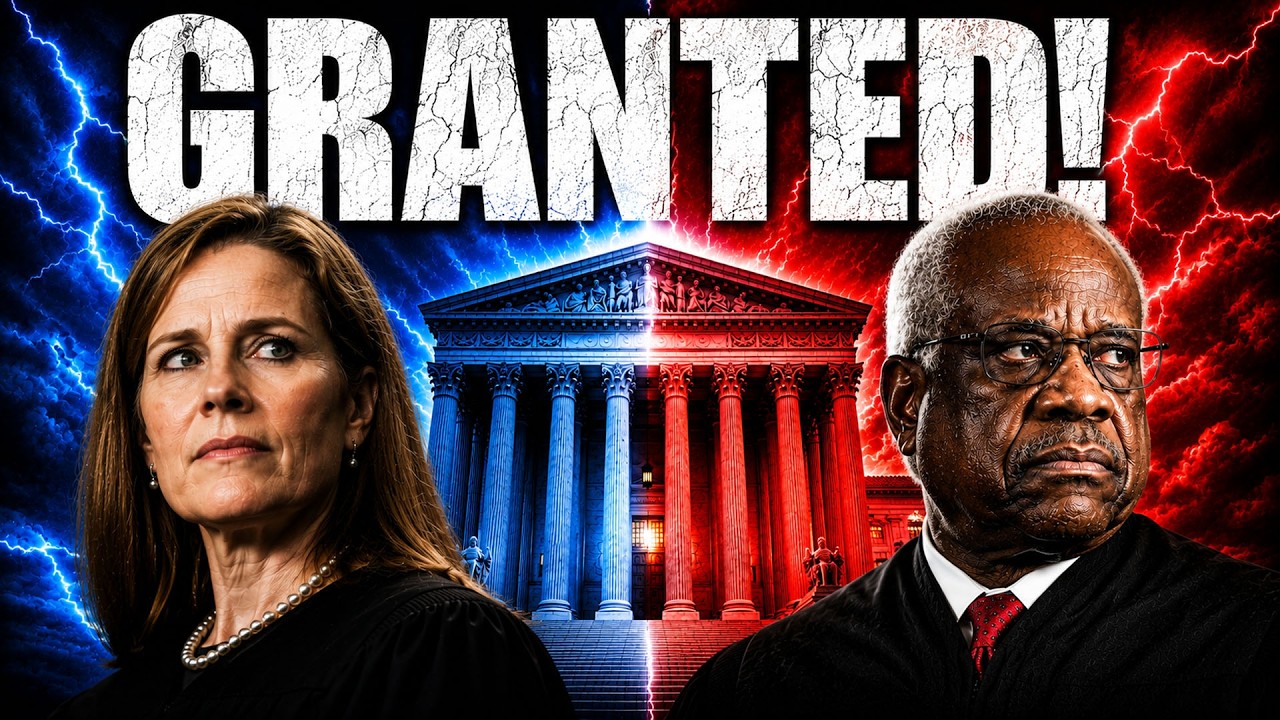
Video: Supreme Court to Review Constitutionality of Six-Person Juries in Florida Case

Supreme Court to Review Constitutionality of Six-Person Juries in Florida Case

Jun 16, 2026

The broadcast covers the Supreme Court's recent grant of certiorari in Kian v. Florida, a challenge to Florida's use of six-person juries in non-capital criminal cases. It details the petitioner's background, conviction on chiropractic licensing felonies, reliance on overruling Williams v. Florida (1970), and invocation of Ramos v. Louisiana (2020) for originalist interpretation of the Sixth Amendment. The segment also discusses potential effects on other states and criminal convictions. The sourcing relies on public court records and prior Supreme Court opinions with no named guests or experts; graphics or documents are not referenced beyond case names. It promotes a legal defense service and solicits viewer comments on the likely outcome.

Source: Armed Scholar
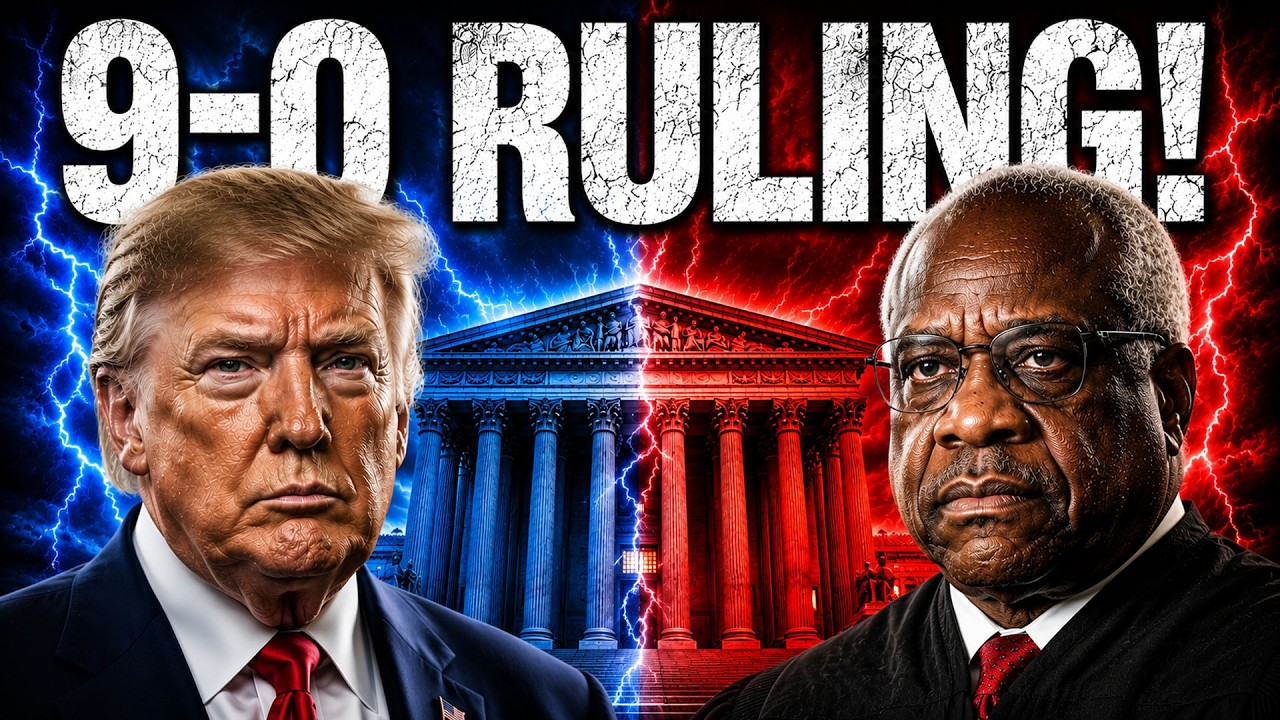
Video: Supreme Court Affirms Objectively Reasonable Standard for Emergency Home Entries in Case v. Montana

Supreme Court Affirms Objectively Reasonable Standard for Emergency Home Entries in Case v. Montana

Jun 15, 2026

The broadcast covers the January 2026 unanimous Supreme Court decision in Case v. Montana. It details the underlying incident involving a 911 call from the petitioner's ex-girlfriend reporting suicide threats, police observations of an empty holster and notepad, a 40-minute wait, warrantless entry, and subsequent shooting and evidence recovery. The segment describes the legal arguments, notes the Trump administration's amicus support for a lower standard, explains the Court's rejection of both reasonable suspicion and probable cause in favor of the Brigham City v. Stuart objectively reasonable basis test, and affirms the Montana judgment while clarifying the nationwide rule.

Source: Armed Scholar

Free account · no card

See grades free with an account.

Letter grades, lean scores, charts, midterms tools, and Reader Reactions unlock the moment you sign up. No card required.

  • Grades on every report
  • Lean scores & charts
  • Quiz · midterms ballot · newsletter